


Cities that regenerate. Agreements that make it possible.
From Remediating Land to Regenerating its Capacity
Every place has capacities that can be restored, strengthened and connected:
Soil can recover. Water can be retained. Biodiversity can return. Neighbourhoods can become cooler and healthier. Communities can develop new relationships with the places they inhabit.
Agreements for Regenerative Cities (ARC) makes these possibilities the starting point for urban regeneration:
We work with ecological processes, community knowledge, shared responsibilities and long-term stewardship as interconnected dimensions of place.
The shift is towards ecological remediation as a regenerative practice. Restoring the living systems that give places their resilience, identity and capacity to thrive.
The Opportunity
A regenerative place creates many forms of value at once:
Water retention can support climate resilience. Ecological restoration can support biodiversity and public health. Community participation can strengthen stewardship and local identity. New forms of biobased economy can grow from healthier, more resilient places.
Agreements for Regenerative Cities creates the conditions for these connections to become visible and actionable.
By bringing ecological knowledge, community priorities, institutional responsibilities and resources around the same place, cities can develop a richer understanding of what regeneration can create.
Agreements for Regenerative Cities helps turn interconnected value into shared priorities, coordinated action and agreements for long-term stewardship.
For Municipalities
The Agreements for Regenerative Cities team is keen to work with cities facing regeneration and climate adaptation challenges and helps connect the people, knowledge and resources already present around them.
Together, we explore the ecological potential of a place, the priorities of its communities, the responsibilities and capabilities of its institutions, and the resources and stewardship needed to sustain it long term.
The aim is not to add another programme, but to connect existing responsibilities, knowledge and resources around shared regenerative outcomes.
Cities become part of a growing learning network, contributing to an approach that evolves through practice across different places and contexts. If your city is exploring how to connect these capacities around a place, we invite you to tell us about it.
For Capital Partners
Regeneration brings together different time horizons, forms of value and sources of capacity.
Public institutions hold responsibilities and resources. Communities hold knowledge and stewardship capacity. Ecological systems create long-term value. Philanthropy, catalytic capital, insurance, municipal and private investment can contribute resources in different ways.
Agreements for Regenerative Cities (ARC) helps align these contributions around a place: what needs to happen, who can contribute, what each form of capital can support, and how outcomes can be sustained over time.
Through shared evidence, place-based understanding, governance and agreements, ARC helps identify where different forms of capital are appropriate, what they can support and how they can contribute to longer-term regenerative outcomes.
We are building a network of capital partners who want to develop this capability with us through real places and real challenges. If this is relevant to how you apply capital, we invite you to join the network.
In Practice

Stara Cinkarna, Celje, Slovenia
From an industrial legacy to a living landscape: Stara Cinkarna offers Celje the potential to strengthen climate resilience, public value and new social and economic possibilities through regeneration. The ARC team is collaborating with the City of Celje on this work.
Photography: Alja Cestnik
ARC design: Anahat Kaur

Saalbaupark, Kulturforum Witten, Ruhr region, Germany
A landscape carrying the traces of industry in the Ruhr region, where climate adaptation can restore ecological capacity, strengthen communities and open new relationships with place. The ARC team is collaborating with Kulturforum Witten on this work.
Photography: Dana Schmidt
ARC design: Anahat Kaur
People
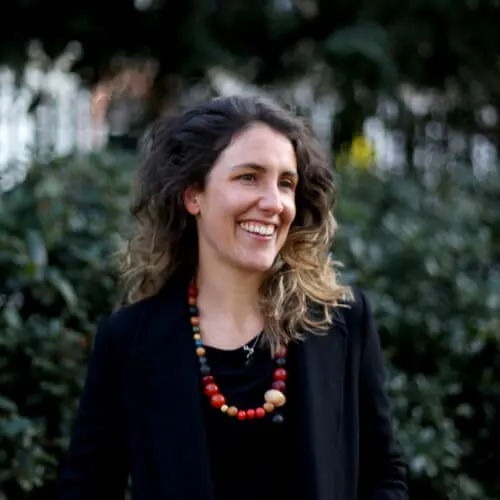
Dr. Geordan Shannon
Unexia Association
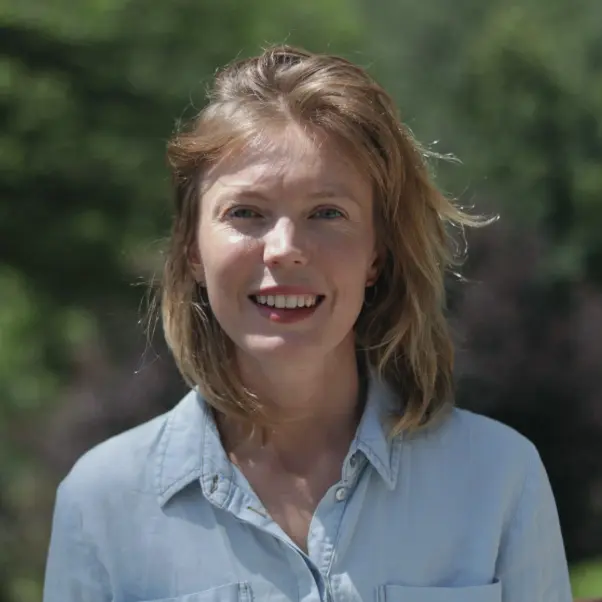
Dr. Danielle Stevenson
Centre for Applied Ecological Remediation
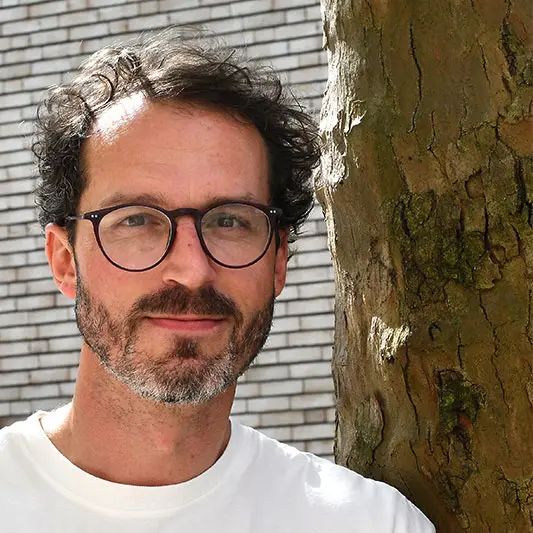
Sebastian Klemm
Social-Ecological Value & Regenerative Economies
Living Values / nextlearning e.V.
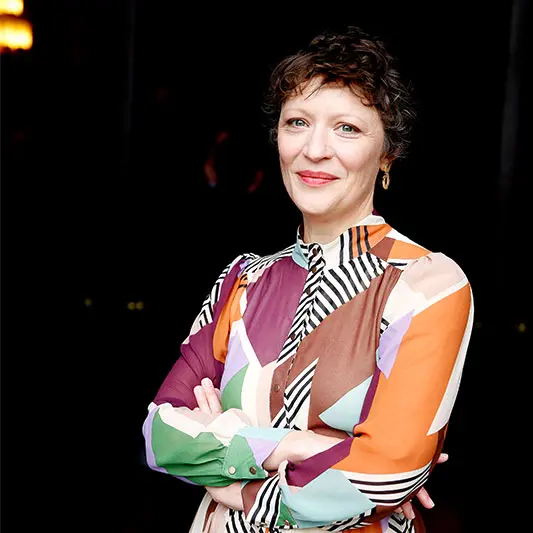
Caroline Paulick-Thiel
Strategic Design & Direction
Politics for Tomorrow / nextlearning e.V.
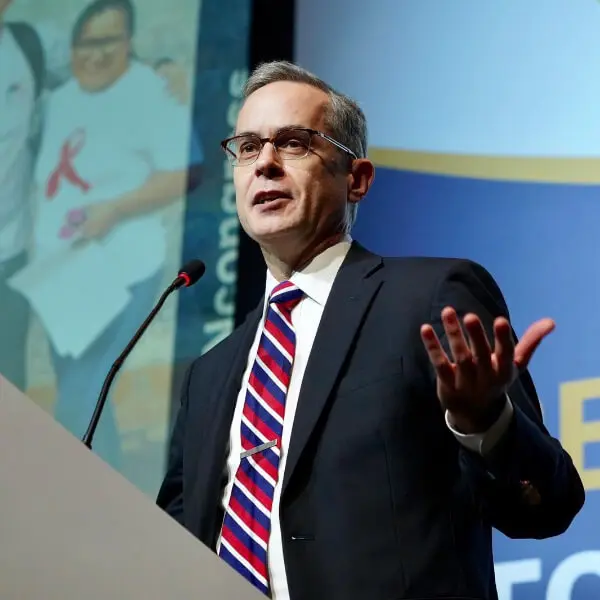
Prof. Jeremy Lauer
Unexia Association
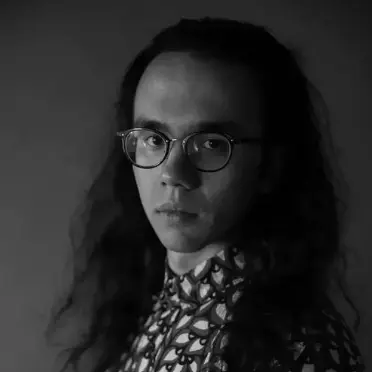
Shanhuan Manton
Centre for Applied Ecological Remediation
For general inquiries contact our ARC team.
Support
Agreements for Regenerative Cities is supported by the Docusign Foundation.
